Category

Dairy proteins

Protein isn’t about Higher Quantities – but Higher Quality

By Dairy proteins

At this year’s CG WELL Summit, themed ‘Wellness 3.0’, our colleague Henrik Geertz-Hansen joined a panel on the Ozempic era and the future of consumer health. His key point: most people already get enough protein, the real challenge is quality.

This is where beta-lactoglobulin (BLG Essential+™) makes the difference

It combines proven health benefits with the functionality brands are looking for:
✅ 1.5× more leucine than whey, supporting muscle maintenance and metabolic health
✅ A perfect GLP-1 companion, its digestion releases peptides that regulate blood glucose and satiety
✅ Fast absorption & high digestibility, ideal for medical and senior nutrition
✅ Neutral taste & full solubility, for clear drinks, yogurts, baked goods, and so much more
✅ Pure protein only, no lactose, cholesterol, hormones, or antibiotics
✅ Consistent, scalable supply, with a significantly lower environmental footprint

The challenge? Dairy-derived BLG is in short supply and whey prices remain extremely volatile.

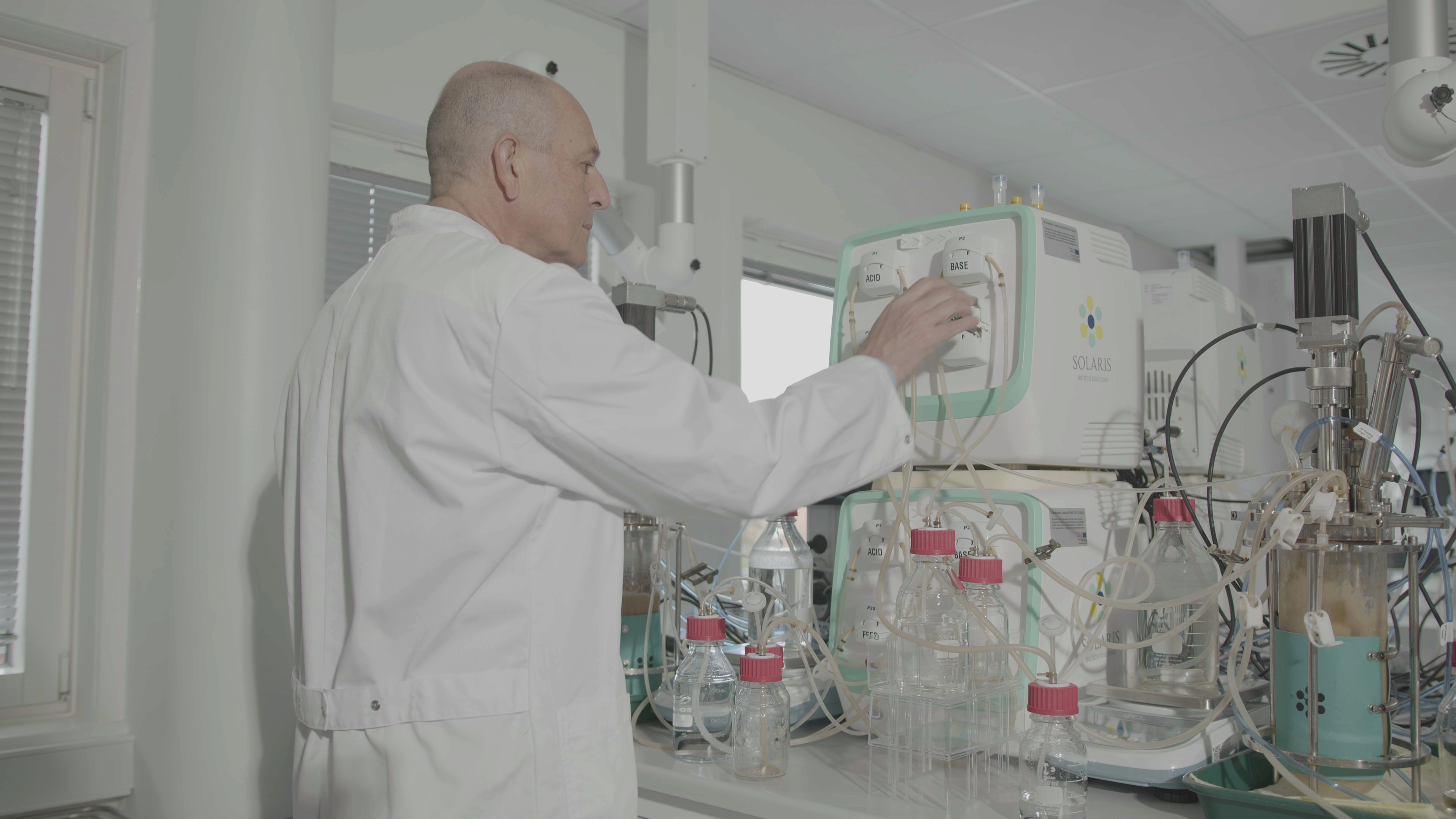
Precision fermentation offers the best of both worlds: enabling sustainable, cost-competitive, and resilient local production. At 21st.BIO, we offer the world’s most advanced precision fermentation technology, ready to close the global protein gap.

The message from New York was clear: food players are eager for proteins with both nutritional and functional quality. We’re here to help make them a reality.

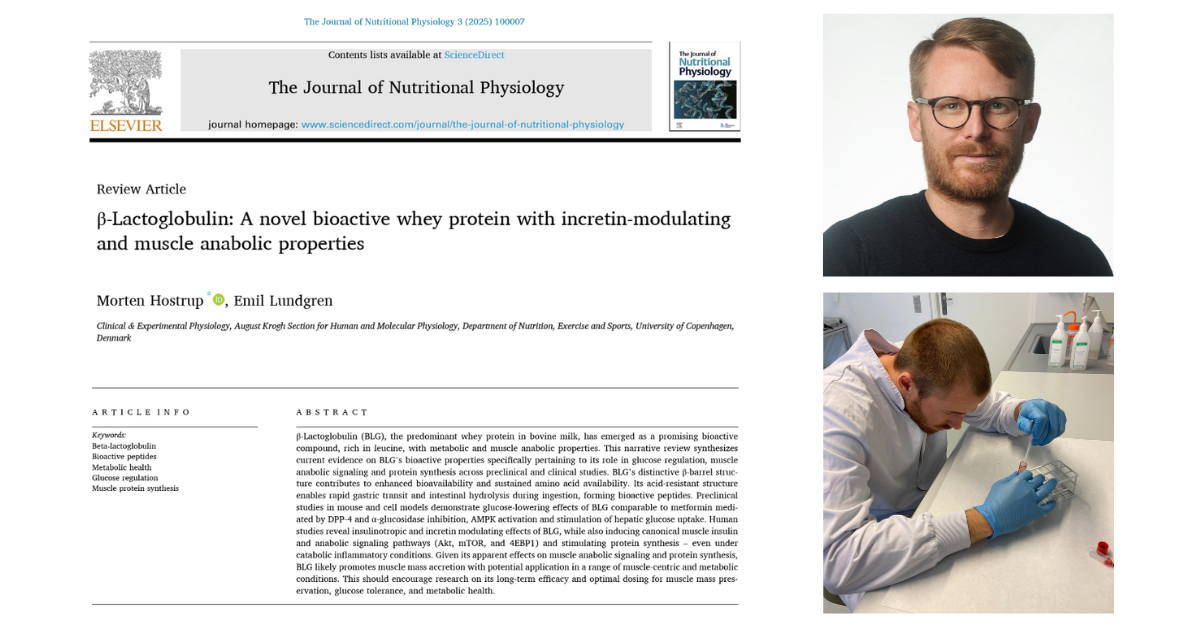
New Scientific Review Highlights Beta-Lactoglobulin’s Dual Benefits for Metabolic and Muscle Health

By Dairy proteins, Press releases

Not all proteins are equal. A new review underscores why BLG outperforms whey and casein – and how precision fermentation can deliver it more sustainably than ever.

Copenhagen, Denmark, and Davis, California, 16 September 2025 – Protein is increasingly a commodity – but the next frontier isn’t more protein, it’s better protein. A newly published review by researchers at the University of Copenhagen positions β-lactoglobulin (BLG), the most abundant whey protein in cow’s milk, as the most advanced choice in protein nutrition, thanks to its unique dual benefits for metabolic regulation and muscle health.

BLG’s dual benefits

Rich in leucine and capable of generating bioactive peptides during digestion, BLG offers a rare combination of metabolic and muscle-preserving benefits – two of the most pressing nutrition challenges in ageing and metabolic health.

The review highlights several features that set BLG apart. It contains 1.5 times more leucine than standard whey or casein, providing a strong trigger for muscle protein synthesis. BLG ensures sustained amino acid availability, longer than with other proteins. Its structure also confers bioactive versatility: BLG can bind hydrophobic ligands such as fatty acids and retinol, and during digestion it releases peptides that have been shown to support glucose regulation. Together, these properties underpin BLG’s comprehensive metabolic actions – influencing insulin, GIP, GLP-1, and glucagon, supporting glucose uptake, slowing gastric emptying, and promoting satiety – and help create a favorable hormonal milieu that stimulates both muscle protein synthesis and glucose disposal.

These combined actions position BLG as a unique nutritional solution for interconnected health challenges such as conditions causing muscle loss, immobilization and age-related muscle loss, and weight management,” explain researchers Morten Hostrup and Emil Lundgren, from the Department of Nutrition, Exercise and Sports, University of Copenhagen, Denmark. “Unlike current pharmacological approaches, BLG shows potential to both enhance appetite suppression and protect against muscle mass loss, which could prove particularly interesting for people under GLP-1 therapies.”

“BLG isn’t only for people with specific health needs,” they say. “It’s a protein that can support muscle and metabolism, particularly beneficial if you’re active or managing your weight, or anyone seeking to optimize their nutritional intake. We can see ourselves adding it to our own diet.”

From dairy bottlenecks to biotech solutions

The new review arrives at a time when global demand for BLG is soaring. Most BLG suppliers are sold out until at least 2026, with dairy supply constrained by structural challenges: fewer and ageing farmers, farm closures, and strict emission targets limiting herd expansion. Meanwhile, whey prices continue to climb.

For the food industry, this science opens opportunities in functional nutrition, active ageing, sports recovery, and medical nutrition – particularly when paired with sustainable production methods. Traditionally sourced from dairy, BLG can now also be produced via precision fermentation, offering consistent quality, optimized bioactivity, and a dramatically lower environmental footprint compared to conventional dairy farming.

Precision fermentation as a resilient solution

To meet both scientific promise and market demand, the review points to precision fermentation as a scalable path forward. The technology enables the production of BLG with consistent bioactivity, free from seasonal variations, and with a fraction of the land, water, and carbon footprint of conventional dairy. It also allows for tailored BLG variants with optimized amino acid profiles or enhanced bioactive sequences for specific applications.

“This review article perfectly sums up why beta-lactoglobulin is setting a new standard for protein. As consumer education and global demand for high-quality protein rises, precision fermentation offers a way to deliver the nutritional and functional benefits of BLG at scale – without relying on cows,” says Thomas G. Schmidt, co-founder and CEO at 21st.BIO. “Our production technology enables food and nutrition companies to unlock these health benefits in a sustainable, commercially viable way.”

21st.BIO develops industrial-scale precision fermentation technology for high-value dairy proteins such as BLG and α-lactalbumin. Building on strain optimization expertise developed over decades within Novonesis (formerly Novozymes), the company provides licensing programs that cover the full journey from strain to scale-up. Its platform helps partners – from start-ups to ingredient manufacturers and dairy companies – to bring next-generation proteins to market at competitive cost and commercial scale.

About 21st.BIO:

21st.BIO was founded with one simple mission: to make leading industrial scale precision fermentation technology accessible to as many as possible, so companies can successfully take biotech innovations to market at a competitive price. 21st.BIO focuses on developing industrial production technology for proteins and other molecules of interest for food, nutrition, agriculture, biomaterials, and biomining industries.

21st.BIO’s founders saw that too often, great bio innovation and molecules fail to translate into commercial success. The innovation is ready, the market is there, but production costs remain too high for the product to go mainstream. Industry insiders call it the ‘valley of death’, and that’s exactly what 21st.BIO intends to bridge.

Founded in 2020, 21st.BIO is headquartered in Copenhagen, Denmark, and has a world-class R&D team as well as laboratories in both Copenhagen, Denmark and Davis, California. On a mission to support bio industrial companies globally in upscaling from molecule innovation to large-scale production, 21st.BIO enables its customers to meet market demands, and thereby advance the green transition globally.

Established as a fully integrated end-to-end partner, 21st.BIO supports its customers from technical assessment, strain development and optimization, production processes and upscaling, tech transfer to large scale manufacturing and regulatory services.

21st.BIO’s fermentation technology is in part licensed from Novonesis, who have developed and perfected their platform over several decades. Novonesis is a global leader in enzymes, functional proteins and microorganisms for high value products in food, household care, and agriculture.

Media contact:

Mathilde Pinon
Marketing & Business Development Manager
m.pinon@21st.bio | +45 31543184
www.21st.bio

Danish Minister of Business Affairs visits 21st.BIO to see precision fermentation in action

By Dairy proteins, Public affairs

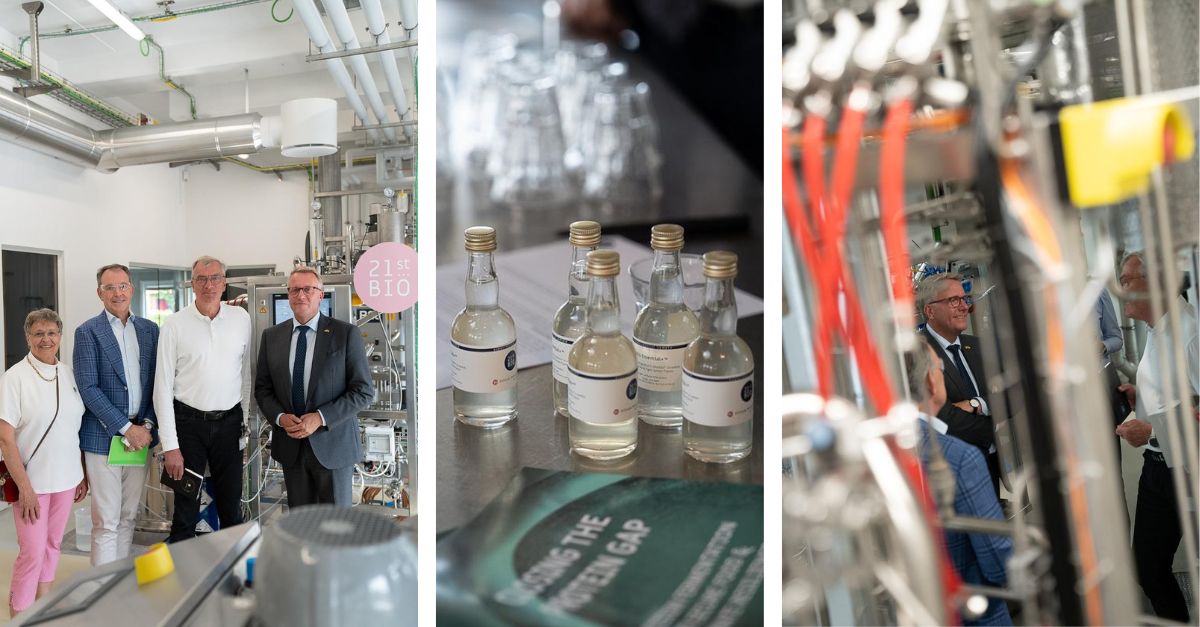
A few weeks ago, we shared our thoughts on what Europe needs to become a leader in industrial biotech with ministers from all 27 EU countries. Yesterday, we got to bring that conversation home. Danish Minister of Business Affairs Morten Bødskov, Mayor of Gladsaxe Kommune Trine Græse, and their delegation visited our headquarters to see our labs and pilot plant in action.

They saw where ideas from around the world are turned into real products – from early R&D to full industrial scale – and how we work with customers bringing us brilliant innovations to scale up using our world-leading precision fermentation technology.

We also discussed why this matters: precision fermentation can create new jobs, strengthen supply chains and food security, and make food production more sustainable. Supply chains everywhere are under pressure – especially in agriculture – with rising demand, falling yields, and volatile prices. Innovation like this can help turn the tide.

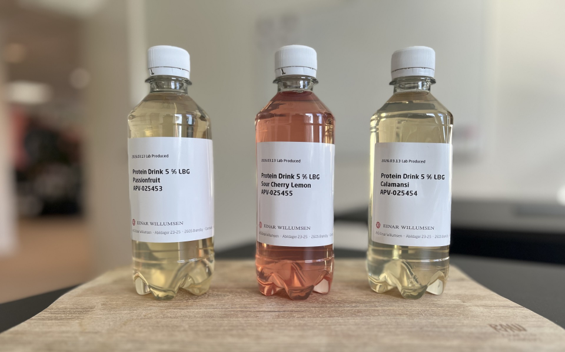
And of course, we couldn’t let our guests leave without a taste: BLG protein drink samples made from beta-lactoglobulin through precision fermentation, with a uniquely fresh taste and smooth mouthfeel thanks to its full solubility in water.

Thank you, Minister Bødskov, for your visit and interest – and thanks to Mayor Trine Græse for her ongoing support to business development in Gladsaxe.

We hope our work can help shape a broad EU Biotech Act, so that novel proteins such as BLG can not only be produced and sold in the US. Our world-leading technology can and should contribute to creating the next generation of food production, for stronger, more resilient supply chains in Europe and beyond.

21st.BIO showcases precision fermentation to EU representatives

By Dairy proteins, Events

If you had the chance to speak to representatives from all EU countries: what would you say?

That’s the question our founder and CEO, Thomas Schmidt, was asked as he took the stage last week at the High-Level EU dinner on biosolutions.

Hosted by Danish Industry as part of Denmark’s EU presidency, the event gathered ministers from all 27 EU countries, EU Commissioner Stéphane Séjourné, EIB Director Nadia Calviño, and Danish Minister of Business Affairs Morten Bødskov, all focused on shaping a strong, sustainable biotech future for Europe.

We were proud to showcase how our technology enables the future of food by serving our beta-lactoglobulin (BLG) drinks for tasting for the very first time. A product already approved for sale in the US, but still years away from reaching European consumers. The drinks were a hit – a small but meaningful taste of what the future could hold.

We don’t produce ingredients ourselves: we license precision fermentation technology that enables others to create sustainable ingredients like BLG. Our customers are already scaling up production of BLG to serve the US market – and, once regulations allow, we look forward to seeing these ingredients benefit European consumers as well.

This was our message to the EU: precision fermentation can build a more resilient, effective, competitive, and sustainable Europe, if supported by the right ambition and regulatory framework.

On stage, Thomas emphasized three key actions:
1️⃣ Set a vision and an ambition for industrial biotech leadership, globally.
2️⃣ Make the regulatory approval processes for novel foods and solutions competitive. They are considerable slower than other key regions of the world today.
3️⃣ Make it attractive to build the biotech factories and jobs in Europe.

As he said: “This is not only about science – it’s about scaling solutions that can deliver real impact for climate, industry, and the health of our citizens.“

A huge thank you to Danish Industry and DI Biosolutions for organising this fantastic event. We were honoured to stand as a pioneering company alongside Ester Baiget from Novonesis and Line Kloster Pedersen from Visibuilt.

21st.BIO launches precision fermentation program for bovine alpha-lactalbumin

By Dairy proteins, Press releases

Copenhagen, Denmark, and Davis, California, 10 July 2025 – 21st.BIO, a leading technology partner in precision fermentation, today announced the launch of a new development program for bovine alpha-lactalbumin (α-lac) after exclusively licensing the high-yield microbial strain from Novonesis – the global leader in biosolutions.

From breakthrough strain to global access

Alpha-lactalbumin is a highly functional milk protein rich in essential amino acids. It is easy to digest and is linked to immune and cognitive development benefits. Bovine α-lac is currently used in infant nutrition, functional food and health-focused applications. 21st.BIO is optimizing the Novonesis-developed strain for industrial fermentation, scale-up, and commercialization – enabling companies around the world to bring precision fermented α-lac to market and with the ambition to be cost competitive with its bovine counterpart.

Today, producing α-lac from bovine milk is costly and inefficient, making it one of the most expensive dairy proteins on the market. About a thousand liters of milk must be fractionated to obtain a kilogram of α-lac.

“Alpha-lactalbumin is incredibly valuable, but current supply from cow’s milk is limited. It is challenging and costly to extract at scale, which is why current supply is mostly reserved for the very high-end infant formula market,” said Thomas Schmidt, CEO of 21st.BIO. “Through precision fermentation, we make production more efficient, sustainable, and – most importantly – available to many, not just the few. On top of this, we are able to produce α-lac of high purity, an important parameter for infant nutrition.”

Democratizing access to advanced biomanufacturing

With this program, 21st.BIO offers an animal-free, scalable, and cost-effective way to produce α-lac – using precision fermentation and a best-in-class strain from Novonesis.

“We are proud to see our world-class strain being brought to market to solve current challenges in food and nutrition by 21st.BIO” said Thomas Batchelor, Senior Vice President of Advanced Health and Protein Solutions at Novonesis. “We continually strive to be at the forefront of innovation and this strain is one result of our pioneering work in R&D, strain development and production. We see α-lac as a great fit to 21st.BIO’s strategy and portfolio, making it the right path forward while we in Novonesis continue to focus on other protein innovation and we’re excited about the future of protein made with precision fermentation.”

21st.BIO works with customers – from dairy, food and beverage companies to foodtech start-ups – through a phased development program that includes:

  • Access to production-ready microbial strains
  • Tailored fermentation and downstream process development
  • Pilot and large-scale scale-up support
  • Regulatory advisory
  • Royalty-based licensing upon commercialization

“We go beyond licensing our technology to our partners,” said Thomas Schmidt. “We help them through the entire process of industrial-scale production. Our experience in functional proteins and our goal of achieving at least price parity with traditional dairy makes this a game-changer for companies looking to supply the market.”

Addressing a growing global need for dairy proteins

Global demand for dairy proteins is expected by many insiders to outpace supply by 2030, as milk production slows in many parts of the world. Feedback from industry partners points to a clear need: aging dairy farmer populations, limited scalability, and growing pressure to reduce emissions are challenging the status quo.

Thomas Schmidt explains: “We’re heading for a protein supply gap. The industry itself is telling us: We won’t be able to meet future demand using traditional methods alone. Precision fermentation is a complementary solution – one that can reduce pressure on natural resources, lower environmental impact, and create a more distributed and resilient supply chain.”

With the launch of its alpha-lactalbumin program, 21st.BIO is helping bring this unique protein – and the technology to make it – to companies around the world.

About alpha-lactalbumin (α-lac):

Alpha-lactalbumin is a highly functional whey protein found in both cow’s milk and human milk – but in very different concentrations. In human milk, it is the dominant whey protein, representing around 20–25% of total protein content. In cow’s milk, it makes up only 3–5%, making it much more difficult and expensive to extract in large quantities.

Rich in essential amino acids like tryptophan and cysteine, α-lac is easily digestible and supports immune function, gut health, and cognitive development – especially in early life. These properties have made it a critical ingredient in high-end infant formula, including hypoallergenic and specialty formulations.

Beyond infant nutrition, α-lac is gaining interest in functional foods, ready-to-drink beverages, clinical nutrition, and dietary supplements – where high-quality, bioavailable protein is in growing demand.

However, current extraction methods from milk are highly inefficient: approximately 1,000 liters of milk are needed to produce just one kilogram of purified α-lac, making it one of the most expensive dairy proteins on the market.

Precision fermentation offers a scalable, animal-free solution. It enables consistent, high-purity α-lac production with the potential for cost competitiveness – unlocking access across industries while supporting more resilient and sustainable supply chains.

About 21st.BIO:

21st.BIO was founded with one simple mission: to make leading industrial scale precision fermentation technology accessible to as many as possible, so companies can successfully take biotech innovations to market at a competitive price. 21st.BIO focuses on developing industrial production technology for proteins and other molecules of interest for food, nutrition, agriculture, biomaterials, and biomining industries.

21st.BIO’s founders saw that too often, great bio innovation and molecules fail to translate into commercial success. The innovation is ready, the market is there, but production costs remain too high for the product to go mainstream. Industry insiders call it the ‘valley of death’, and that’s exactly what 21st.BIO intends to bridge.

Founded in 2020, 21st.BIO is headquartered in Copenhagen, Denmark, and has a world-class R&D team as well as laboratories in both Copenhagen, Denmark and Davis, California. On a mission to support bio industrial companies globally in upscaling from molecule innovation to large-scale production, 21st.BIO enables its customers to meet market demands, and thereby advance the green transition globally.

Established as a fully integrated end-to-end partner, 21st.BIO supports its customers from technical assessment, strain development and optimization, production processes and upscaling, tech transfer to large scale manufacturing and regulatory services.

21st.BIO’s fermentation technology is in part licensed from Novonesis, who have developed and perfected their platform over several decades. Novonesis is a global leader in enzymes, functional proteins and microorganisms for high value products in food, household care, and agriculture.

About Novonesis:

Novonesis is leading the era of biosolutions. By leveraging the power of microbiology with science, we transform the way the world produces, consumes and lives. In more than 30 industries around the world, our biosolutions are already creating value for thousands of customers and benefiting the planet. Our 10,000 people worldwide work closely with our partners and customers to transform business with biology. Let’s better our world with biology.

Media contact:

Mathilde Pinon
Marketing & Business Development Manager
m.pinon@21st.bio | +45 31543184
www.21st.bio

BLG Essential+™: a next-generation protein ingredient

By Dairy proteins

High-leucine, animal-free protein designed for the future of food – from healthy aging to GLP-1 nutrition and beyond.

As global nutrition needs evolve, so must the proteins that power them. BLG Essential+™ is a next-generation beta-lactoglobulin produced through precision fermentation – offering a scalable, high-performance alternative to traditional dairy.

It enables food and ingredient manufacturers to meet rising demand for high-quality, digestible, and sustainable protein – while reducing reliance on volatile dairy supply chains.

The World Needs New Protein Solutions

Global dairy production is under growing pressure – and struggling to keep up. By 2030, supply is projected to fall short by more than 30 million tons of milk equivalents. Structural challenges like land and water constraints, climate-related stress, and a declining number of dairy producers make it increasingly difficult to scale.

At the same time, demand for high-quality protein is accelerating. Consumers are not just eating more protein – they’re rethinking how and why they consume it. Functional foods are on the rise, and protein is becoming a must-have across categories.

Two major forces are driving this shift: aging populations and the rapid adoption of GLP-1 medications. Older adults need accessible, digestible protein to preserve muscle and metabolic health. GLP-1 users are seeking nutrient-dense foods that support lean mass while reducing appetite. Together, these trends are reshaping nutrition – and exposing the limits of traditional protein supply.

At the same time, the industry faces rising pressures:

  • Climate and water constraints
  • Emissions targets and land use limitations
  • Declining numbers of dairy farmers
  • Unstable pricing and supply chain risks

There’s a clear need for resilient, efficient, and scalable alternatives.

What Sets BLG Essential+™ Apart

BLG Essential+™ is a high-purity beta-lactoglobulin – the main component of whey – made without animals. It offers nutritional and functional properties that traditional whey in many ways:

  • High leucine content (45% more than whey) to support muscle maintenance and metabolic health
  • Fast absorption and high digestibility, suitable for medical and senior nutrition
  • Neutral taste and full solubility for seamless formulation in a wide range of applications: from clear drinks to yogurts, pancakes, soups, baked goods, and so much more
  • Free from lactose, cholesterol, hormones, and antibiotics
  • Consistent, scalable production with significantly lower environmental footprint

Supply Chain Resilience

Animal-free production is more than a sustainability benefit – it’s a strategic advantage. BLG Essential+™ is produced through precision fermentation, enabling year-round output with minimal environmental impact. It decouples protein production from agricultural volatility and allows ingredient companies to build local, stable supply chains.

This model also opens new value streams: for instance, transforming sugar into high-value protein using existing infrastructure.

Why Partner with 21st.BIO?

We don’t sell ingredients – we empower ingredient producers and food brands with the tech and know-how to make them. By licensing our BLG Essential+™ production platform, partners gain:

  • Proprietary strain engineering for BLG production building on the legacy of the Novo Group
  • A future-proof, animal-free protein that meets today’s market needs
  • Faster time to market – with GRAS status and regulatory approvals in place
  • Expert guidance to identify high-impact applications and scale efficiently

BLG Essential+™ is more than a protein — it’s the foundation for a healthier aging population.

Let’s build the future of food – sustainably, scientifically, and at scale. Contact us to explore how you can produce BLG Essential+™ and lead the way in healthy ageing innovation.

Beta-Lactoglobulin: an ideal protein for Healthy Ageing and Elderly Nutrition

By Dairy proteins

As the global population ages, the need for targeted nutrition solutions is rising fast. Older adults face unique health challenges — from muscle loss and reduced appetite to digestive sensitivity — that make protein intake both more important and more complicated.

Enter BLG Essential+™: a next-generation protein ingredient that supports healthy aging through superior nutrition, digestibility, and versatility.

The Growing Demand for High-Quality Protein for Seniors

The world’s population aged 60 and older is projected to double by 2050, reaching over 2 billion. As people age, they naturally lose muscle mass in a condition called sarcopenia — a major contributor to frailty, loss of independence, and reduced quality of life. To combat this, protein becomes essential.

But it’s not just about more protein — it’s about better protein. According to the International Food Information Council, 71% of Americans want to increase their protein intake, and seniors are a big part of that shift. High-quality, easily digestible protein with a complete amino acid profile is key.

Why Muscle Loss Matters More with Age

Muscle loss accelerates as we age, beginning as early as age 30. By age 70, up to 25–50% of muscle mass may be lost without adequate intervention. This doesn’t just affect mobility — it impacts metabolism, immune function, and even the risk of chronic disease.

To maintain muscle, the body needs sufficient amounts of leucine, an amino acid that stimulates muscle protein synthesis. BLG Essential+™ delivers 45% more leucine than whey protein — making it an especially powerful tool for aging populations.

BLG Essential+™ enables new high-protein formulations thanks to its exciting functional properties – neutral taste, stable across wide pH and temperature ranges, and fully soluble in water.

Not All Proteins Are Created Equal

While plant proteins are gaining attention, most fall short in key areas for senior nutrition:

  • Incomplete amino acid profiles: inadequate for muscle synthesis
  • Poor taste and texture: especially off-putting for seniors with reduced appetite
  • Low bioavailability: not efficiently absorbed
  • Difficult to formulate: gritty textures and bitter flavors

BLG Essential+™ solves these problems. It combines a superior nutritional profile with excellent functional properties, enabling food and beverage developers to create smooth, appealing products without compromise.

BLG Essential+™ – Tailored for Senior Nutrition

  • 45% more leucine than whey: supports muscle maintenance and metabolic health
  • Fast absorption & high digestibility: ideal for sensitive digestive systems
  • Lactose-free & cholesterol-free: suitable for health-conscious and aging consumers
  • Neutral taste & smooth texture: enables enjoyable, easy-to-consume products
  • Compatible with diverse formats: from clear drinks to yogurts, pancakes, soups, baked goods and more

A New Era for Senior-Focused Food Innovation

Today’s older consumers are more active, informed, and selective. They want food that supports wellness and longevity — not just empty calories. This demand is driving rapid innovation in elderly-focused functional foods and beverages.

Key growth areas include:
  • High-protein drinks for hydration and mobility
  • Nutritional baked goods, yogurts, and soups
  • Convenient on-the-go snacks with added health benefits
  • Medical nutrition and meal replacements for recovery and maintenance

BLG Essential+™ makes these innovations possible — offering unmatched flexibility and performance.

Sustainability Matters — Especially for Future Generations

Beyond performance, BLG Essential+™ is future-proof:

  • Animal-free production: lactose-free, cholesterol-free, antibiotics-free, hormone-free
  • 90% less land use & 95% less water compared to traditional farming production
  • Stable, scalable supply: avoids volatility in whey pricing and availability

Aging populations will place even more strain on global food systems. Sustainable solutions like BLG are critical to meet demand while protecting the planet.

Protein Shortages Are Already Here

High-quality protein like whey is increasingly scarce — and expensive. Global demand is rising while dairy production faces environmental and economic constraints. BLG Essential+™ provides a stable, cost-effective alternative that meets the highest nutritional standards.

With precision fermentation, we can produce BLG at scale — consistently, sustainably, and independently of fluctuating dairy markets.

Why Partner with 21st.BIO?

We don’t sell ingredients – we empower ingredient producers and food brands with the tech and know-how to make them. By licensing our BLG Essential+™ production platform, partners gain:

  • Proprietary strain engineering for BLG production building on the legacy of the Novo Group
  • A future-proof, animal-free protein that meets today’s market needs
  • Faster time to market – with GRAS status and regulatory approvals in place
  • Expert guidance to identify high-impact applications and scale efficiently

BLG Essential+™ is more than a protein — it’s the foundation for a healthier aging population.

Let’s build the future of food – sustainably, scientifically, and at scale. Contact us to explore how you can produce BLG Essential+™ and lead the way in healthy ageing innovation.

The Future of Nutrition: Beta-Lactoglobulin is the Perfect Protein for the GLP-1 Era

By Dairy proteins

How the rise of weight-loss medications is reshaping the food industry – and how brands can lead with next-generation protein innovation.


A Shift in Eating Habits – and in Food Innovation

GLP-1 medications like Ozempic and Wegovy are changing the way people eat. As these treatments help reduce appetite, consumers are naturally choosing more nutrient-dense, high-protein options – and turning away from sugary snacks and ultra-processed foods.

This shift is creating a new frontier in food innovation. For brands, the opportunity is clear: design smarter, functional foods that meet evolving needs around weight management, satiety, and muscle health.

The Challenge: Muscle Loss on GLP-1 Medications 

GLP-1 therapies are effective for weight loss – but a significant portion of that loss comes from lean body mass. Studies report that 20–40% of total weight loss may be lean mass, depending on population, drug type, and measurement methods (Diabetes Obes Metab, 2024; Diabetes Obes Metab, 2024). The most comprehensive evidence to date – a 2025 network meta-analysis of 22 RCTs involving 2,258 participants – found that approximately 25% of weight lost was from lean mass (Metabolism, 2025). 

Loss of muscle isn’t just about strength – it reduces metabolic rate, impairs physical performance, and may increase the risk of weight regain. 

The solution? High-quality, leucine-rich protein to stimulate muscle protein synthesis and help preserve lean mass during weight loss. 

Beta-Lactoglobulin – Powered by Precision Fermentation 

At 21st.BIO, we enable companies to produce BLG Essential+™, a high-purity beta-lactoglobulin made using precision fermentation. This approach is animal-free, sustainable, and scalable – delivering consistent protein quality while dramatically reducing the environmental footprint compared to traditional dairy. 

We license this technology to food and ingredient manufacturers, empowering them to produce a next-generation protein with unique nutritional benefits and broad application potential. 

The GLP-1 Boom Is Just Getting Started

GLP-1 medications are transforming the health and nutrition landscape. An estimated 8 to 10% of Americans are already using these drugs, and up to 35% say they’re interested (PwC study, 2024). The market is growing fast – projected to reach $150 billion globally by 2030. Even online search behavior reflects the shift: during this year’s Super Bowl, searches related to weight-loss drugs spiked 50%, with 21% focused on nutrition. It’s clear that this isn’t just a pharma trend – it’s a ripple effect reshaping how consumers eat, shop, and choose their food.

Major brands are moving fast. From protein-enriched pizzas and baked goods to snack bars, yoghurts, cereals, and even waters, protein is showing up everywhere. It’s clear: food companies are racing to meet the growing demand for functional, protein-rich options that support muscle, metabolism, and satiety – especially as GLP-1 users and health-conscious consumers reshape shopping habits.

Why BLG is the Ideal Protein for GLP-1 Nutrition

Beta-lactoglobulin (BLG), especially when produced through precision fermentation, offers a superior amino acid profile for this use case – including 45% more leucine than whey. That makes it one of the most effective proteins for supporting muscle during calorie-restricted weight loss.

Key advantages:

  • Leucine-rich for triggering muscle protein synthesis
  • Fast-absorbing and highly bioavailable
  • Neutral taste and excellent solubility – ideal for clear drinks, bars, dairy alternatives, and meal replacements

For food and nutrition brands, incorporating BLG into product lines means delivering real physiological support to GLP-1 users.

BLG Essential+™ enables new high-protein formulations thanks to its exciting functional properties – neutral taste, stable across wide pH and temperature ranges, and fully soluble in water.

What’s Next in GLP-1-Friendly Foods

GLP-1 users want more than shakes. They want convenient, protein-rich foods that fit into daily life. Forward-looking brands are already experimenting with:

  • Clear protein drinks – from iced teas to sparkling waters
  • On-the-go snacks – bars, crisps, fortified nuts
  • Functional meals and replacements – designed to sustain muscle and curb hunger

This is more than a trend – it’s a transformation in how functional nutrition is formulated.

Protein is popping up in everything from pizzas to teas – but not all proteins can actually deliver in these diverse formats. Many plant-based proteins come with bitter off-notes, gritty textures, or solubility issues that limit their use. That’s where BLG Essential+™ changes the game. With its neutral taste, excellent solubility, and heat stability, it performs where others fall short – enabling everything from clear drinks and baked goods to creamy snacks and meal replacements. It’s not just about nutrition – BLG Essential+™ is making next-gen product innovation possible.

Sustainable, Scalable, Science-Backed

Unlike traditional dairy proteins, BLG made via precision fermentation offers:

  • Up to 95% lower water and land use
  • 90% fewer greenhouse gas emissions
  • Stable, scalable production – independent of dairy markets
  • Lactose-free, cholesterol-free, antibiotics-free, hormone-free, and vegan-friendly

And because our strain engineering platform is built on decades of experience – partly licensed from Novonesis – it’s designed for cost-efficiency and commercial readiness.

Why Partner with 21st.BIO?

We don’t sell ingredients – we empower ingredient producers and food brands with the tech and know-how to make them. By licensing our BLG Essential+™ production platform, partners gain:

  • A future-proof, animal-free protein that meets today’s market needs
  • Faster time to market – with GRAS status and regulatory approvals in place
  • Expert guidance to identify high-impact applications and scale efficiently


Be First to Market in the GLP-1 Era

Consumers are shifting fast. Brands that act now will shape the next wave of high-protein, functional nutrition.

Let’s build the future of food – sustainably, scientifically, and at scale. Contact us to explore how you can produce BLG Essential+™ and lead the way in GLP-1-friendly innovation.

Closing the Protein Gap: Precision-fermented BLG to solve the growing supply crisis

By Dairy proteins

The High-Quality Protein Shortage Is Already Here

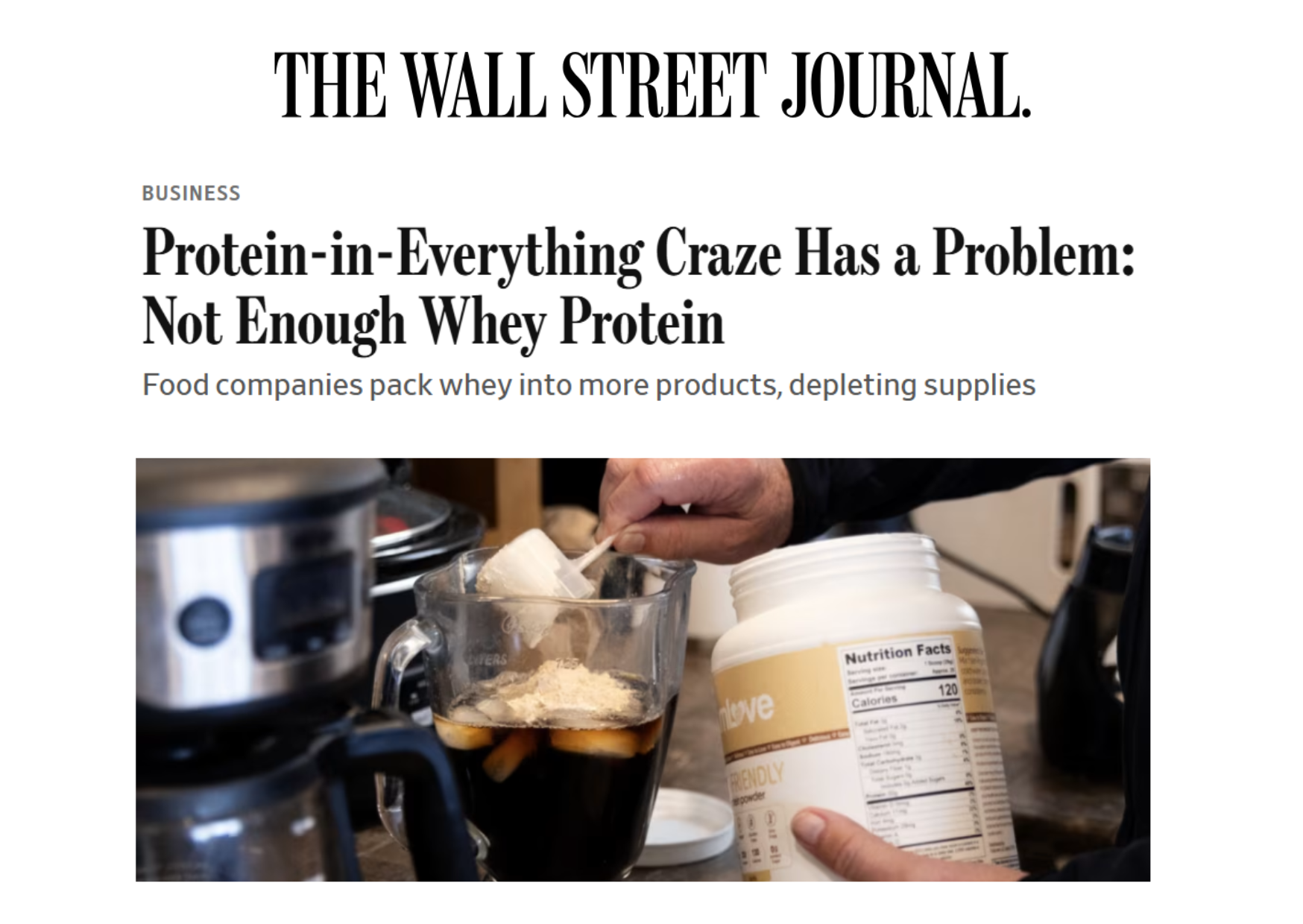
Global demand for high-quality protein is rising faster than supply. Whey protein prices have hit record highs – and there’s no sign of relief. The price surge isn’t a temporary spike; it’s a symptom of a deeper issue: strong, sustained demand combined with tightening supply.

Whey, long regarded as the gold standard of dietary protein, today depends entirely on milk production. And milk production is under pressure. Labor shortages, environmental regulations, and cost inefficiencies are driving stagnation or even declines in dairy output across key regions.

Consumers Want More Protein – and They’re Actively Looking for It

Protein isn’t just trending – it’s become a daily priority. In the U.S., Google searches for “high protein foods” have climbed steadily for over two decades, and by 2013, the country had already become the world’s largest market for high-protein products. Since then, interest has only grown. According to the International Food Information Council, 71 % of U.S. consumers aimed to increase their protein intake in 2024, up from 67 % the year before and 59 % in 2022. Shoppers are reading labels, seeking out functional benefits, and looking for better ways to meet their evolving nutritional needs. For food brands, the signal is clear: high-protein innovation is no longer optional – it’s expected.

The Scope of the Problem

By 2030, global demand for dairy proteins is projected to exceed supply by tens of millions of tons. Even in the most optimistic scenarios, Europe may only increase production by 6.7 million tons – leaving a global market gap of 20.4 million tons of milk equivalents. In more realistic cases, Europe’s output could decline, pushing the supply gap to over 31 million tons (Rabobank).

Several structural challenges make it unlikely that traditional dairy can fill this gap. The number of dairy farmers is steadily declining, and productivity gains per cow are leveling off. At the same time, the sector faces increasing pressure from climate change – including water scarcity, feed instability, and heat stress – as well as from stricter emissions targets and land-use constraints. These pressures limit the industry’s ability to scale and expose it to supply volatility. 

This shortfall threatens not just product availability but also pricing stability. Without new, scalable protein sources, high-quality nutrition could become inaccessible to many – and limit innovation across food, health, and wellness sectors.

Precision Fermentation: A Breakthrough in Resilient Supply

Precision fermentation offers a radically different model for protein production – one that decouples supply from the limitations of animal agriculture. Using microorganisms programmed to produce specific proteins, this technology enables:

  • Consistent, year-round production
  • 90% less land and 95% less water use
  • 97% fewer greenhouse gas emissions
  • Independence from climate and livestock volatility
  • New opportunities for farmers and cooperatives to turn sugar into high-value protein 

Already used to make insulin, enzymes, and vitamins, precision fermentation is now being scaled to secure the future of food.

Enter BLG Essential+™ – Our Flagship Protein

At 21st.BIO, we have developed one of the most advanced precision fermentation platforms for food protein production. Our first market-ready ingredient: BLG Essential+™ – a precision-fermented beta-lactoglobulin (BLG).

BLG makes up 50–60% of whey protein and is packed with nutritional and functional benefits:

  • Complete amino acid profile
  • High leucine content for muscle protein synthesis
  • Excellent solubility, neutral taste, and emulsification properties

Our proprietary variant, BLG Essential+™, contains 45% more leucine than traditional whey, making it ideal for high-protein drinks, snacks, meal replacements, and medical or senior nutrition.

Our BLG Program is Built for Scale

We license the production technology for BLG Essential+™ to food and ingredient companies worldwide.

Through our BLG development program, partners gain access to:

  • World-leading production strains
  • Proven fermentation and purification processes
  • self-affirmed GRAS ingredient for immediate use in the U.S.
  • Ongoing support to improve strain performance and scalability

Several partners have already joined the program and are preparing to bring their own BLG production online – creating new, local supply chains independent of dairy.

Expanding Beyond BLG – Caseins, Alpha-Lactalbumin, and More

Following BLG, we are advancing precision-fermented casein and alpha-lactalbumin programs to further expand our dairy protein portfolio. These proteins are essential for structure, slow digestion, and nutritional balance in both dairy and dairy-alternative applications, and specialized nutritional products such as infant or elderly nutrition. 

Caseins in particular present a known challenge in precision fermentation due to their need for post-translational modifications such as phosphorylation to function correctly. Companies face difficulties achieving commercially viable titers in microbial hosts. At 21st.BIO, our proprietary strains – developed through decades of expertise inherited from the Novo Group – overcome these barriers. Our platform is already achieving high titers and demonstrating functional performance in early-stage production.

Together, these advances support the development of complete milk alternatives and high-performance formulations across a broad spectrum of food and nutrition categories.

Why Partner with 21st.BIO?

Relying on whey alone is no longer sustainable. The world needs a new source of high-quality protein that is scalable, stable, and environmentally sound. Precision fermentation makes that possible – and BLG Essential+™ is leading the way.

We don’t sell ingredients – we empower ingredient producers and food brands with the tech and know-how to make them. By licensing our BLG Essential+™ production platform, partners gain:

  • Proprietary strain engineering for BLG production building on the legacy of the Novo Group
  • A future-proof, animal-free protein that meets today’s market needs
  • Faster time to market – with GRAS status and regulatory approvals in place
  • Expert guidance to identify high-impact applications and scale efficiently

Let’s build the future of food – sustainable, resilient, and at scale.

Partner with 21st.BIO to secure your protein supply chain, future-proof your innovation, and meet the rising demand for nutrition without compromise. Contact us to explore how you can produce BLG Essential+™ and secure a more resilient supply chain.

21st.BIO obtains self-affirmed GRAS status for its precision fermented beta-lactoglobulin

By Dairy proteins, Press releases

As featured in

  • 21st.BIO has earned a self-affirmed GRAS status for its animal-free beta-lactoglobulin ingredient,
    which customers can now launch in the United States market.
  • 21st.BIO is helping customers bring products to market at an unprecedented pace, from initiation of development to market approval in under two years.
  • 21st.BIO offers the leading production technology for BLG, based on precision fermentation technology that has been perfected over decades and partly licensed from Novonesis (formerly Novozymes).
  • By studying the variation in cows’ milk protein, 21st.BIO’s world class scientists have been able to reproduce a highly nutritious recombinant BLG, which is the most potent bovine whey protein and has superior nutrition and functionalities. This is why 21st.BIO has named its protein BLG Essential+™.


Copenhagen, Denmark, and Davis, California, 4 September 2024 – Precision fermentation platform provider 21st.BIO has earned a self-affirmed GRAS status for its animal-free beta-lactoglobulin ingredient, BLG Essential+™, which means customers can now launch in the United States market.

This breakthrough comes less than two years after 21st.BIO initiated its development of a strain and production process for its beta-lactoglobulin protein, BLG Essential+™, demonstrating the power of the Company’s approach, unique expertise and differentiated precision fermentation platform.

Beta-lactoglobulin is a potent and highly nutritious dairy protein

The predominant protein in bovine whey, beta-lactoglobulin (BLG) has attracted considerable food-producer interest for its high-quality nutrition and advantageous properties in food product formulation.

Its nutritional profile is impressive, boasting a larger amount of essential and branched-chain amino acids than whey. For example:

  • BLG contains 45% more leucine than commercially available whey protein isolates, which is particularly important for muscle synthesis.
  • BLG is tasteless, stable across a wide pH range and can tolerate heat, making it the ideal ingredient for versatile product formulations, from clear protein drinks to alternative dairy or bakery products.

21st.BIO expects its customers’ own production of beta-lactoglobulin to be incorporated into the formulation of foods such as baked goods and alternative dairy products, as well as nutritional products for active or sports nutrition, weight management, and clinical and elderly nutrition.

Unique business model: One market approval for several dairy protein suppliers

Companies engaged in 21st.BIO’s unique development program can now commercialize their own production of BLG Essential+™ in the U.S. market. Through 21st.BIO’s BLG program, customers gain access to the world’s most advanced production strains and precision fermentation processes – and optimizations over time. Furthermore, 21st.BIO is supporting customers in upscaling their production all the way to full-scale ingredient production. The Company’s diverse global customer base spans food-tech start-ups to large food ingredients manufacturers. BLG Essential+™ is the first food protein out of a portfolio of protein ingredients that 21st.BIO will take to the market via this model.

21st.BIO gets solutions to market at an unprecedented pace

With a strong track record and productive microorganisms licensed from Novonesis (formerly Novozymes), 21st.BIO is bringing solutions to market at an unprecedented pace, enabling customers to bypass years of development and market approval for direct entry into the U.S. market and empowering customers to produce any food, materials, agriculture, or biopharma-related protein or peptide of interest, and scale production to industrial levels to ensure large-scale availability and cost-effectiveness. Customers in 21st.BIO’s development programs benefit from continuous optimizations of strain and process for improved commercial attractiveness.

Comprehensive support every step of the way to get products to market

“We bring our customers access to technology and skills they could not get anywhere else,” said 21st.BIO co-founder and CSO Per Falholt.

And 21st.BIO co-founder and CEO Thomas G. Schmidt continues: “We’re not just a technology provider — we’re a partner to our customers’ on their product journey, ensuring their success from development to full-scale manufacturing. We make products, not projects. Our ambition is to empower our customers to focus more on application, business development, low-cost production and innovation. And this shows all the way through our business model, which is designed such that our success at 21st.BIO depends on our customers’ success in the market with a product; not just on project completion.”

21st.BIO derisks product development and supports customers from strain development, fermentation processes, purification protocols, pilot production and upscaling guidance, to the regulatory approvals for market entry. 21st.BIO is working on additional proteins, including proteins for both foods, materials, agriculture and beyond.

About 21st.BIO

21st.BIO was founded with one simple mission: to make leading industrial scale precision fermentation technology accessible to as many as possible, so companies can successfully take biotech innovations to market at a competitive price. 21st.BIO’s founders saw that too often, great bio innovation and molecules fail to translate into commercial success. The innovation is ready, the market is there, but production costs remain too high for the product to go mainstream. Industry insiders call it the ‘valley of death’, and that’s exactly what 21st.BIO intends to bridge.

Founded in 2020, 21st.BIO is headquartered in Copenhagen, Denmark, and has a world-class R&D team as well as laboratories in both Copenhagen, Denmark and Davis, California. On a mission to support bio industrial companies globally in upscaling from molecule innovation to large-scale production, 21st.BIO enables its customers to meet market demands, and thereby advance the green transition globally. 21st.BIO focuses on developing industrial production technology for proteins and other molecules of interest for food, materials, and agricultural industries. Established as a fully integrated end-to-end partner, 21st.BIO supports its customers from technical assessment, strain development and optimization, production processes and upscaling, tech transfer to large scale manufacturing and regulatory services.

21st.BIO’s fermentation technology is in part licensed from Novonesis, who have developed and perfected their platform over several decades. Novonesis is a global leader in enzymes, functional proteins and microorganisms for high value products in food, household care, and agriculture.

For more information and pictures of the day, please contact:

Mathilde Pinon
Marketing & Business Development Manager
+4531543184
m.pinon@21st.bio

21st.BIO in Food Ingredients First

By Dairy proteins, Public affairs

21st.BIO highlighted in Food Ingredients First’s special report on precision fermentation


In this article, our co-founder and CEO Thomas Schmidt discusses the challenges and essential steps for precision fermentation companies to achieve high productivity and scale. Developing complex technology from scratch requires significant investment and time. But what if you could access existing high-performing industrially-proven technology?

At 21st.BIO, we offer a technology platform with strains and processes to develop any protein or peptide of interest with the best systems for large scale and cost-effective production. We serve customers across the nutrition, food, agriculture, and bio-based materials industries, acting as the launchpad for succeeding with precision fermentation.

We anticipate accelerated innovation in nutritional and functional molecules, as precision fermentation holds vast potential.

Last year, we launched development programs for dairy proteins like beta-lactoglobulin and caseins. Our customers are already scaling their production, and we are expanding to more food ingredients… Get in touch with our team for more information.

New publication in Annual Reviews of Food Science and Technology

By Dairy proteins, Publications

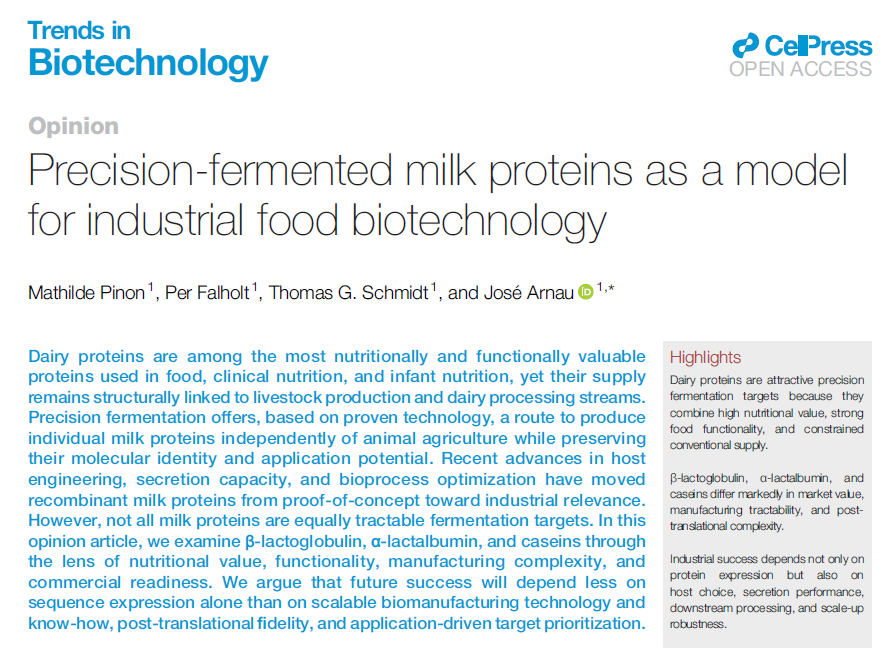
We are thrilled to announce the publication of our latest scientific paper, “The Next Food Revolution Is Here: Recombinant Microbial Production of Milk and Egg Proteins by Precision Fermentation” in Annual Reviews of Food Science and Technology.


This work is authored by our brilliant colleagues José Arnau, R&D Director, and Morten Bjørn Nielsen, Industrial PhD student.

In a world where food production must be drastically increased to meet the demands of a growing population and simultaneously made sustainable to respect and preserve our planet, precision fermentation offers a revolutionary solution.

Using microbes to produce animal-identical proteins, precision fermentation is set to transform our food systems. This technology is incredibly efficient regarding land, water, and feedstock use, and is expected to make food production sustainable and to result in more local production of designed food products, such as dairy or egg proteins.

But for this food revolution to happen, the technology needs to scale, with production titers reaching 50 g/L and above. This requirement makes strain engineering, process optimization and scale-up critical success factors. And that’s why we at 21st.BIO make it our mission to develop the best production strains and fermentation processes, continuously optimizing every single step, and supporting our customers to upscale towards industrial production. We do it so you don’t have to.

Our top-performing strains are already working with dairy and egg proteins. Explore our development programs, and contact us for more information.

We strongly recommend this read to better understand precision fermentation and its potential. Whether you’re a seasoned expert or just curious, this paper has valuable insights for everyone.

21st.BIO unveils a new pilot plant facility to accelerate impact of biotech innovations globally

By Biomaterials, Dairy proteins, Events, Partnerships, Press releases, Public affairs

As featured in

  • Combining world-class industrially proven technology with fermentation capacity, 21st.BIO helps customers get to scale faster, in a risk-mitigated and cost-effective way.
  • Margrethe Vestager, Executive Vice President of the European Commission, was onsite to inaugurate the pilot facility, along a hundred other guests from the financial, political, and bio industrial sectors.


Copenhagen, Denmark, and Davis, California, 6 May 2024 – 21st.BIO unveiled a new pilot plant facility in its Danish headquarters, designed to support companies upscale their bioproduction.

21st.BIO provides services ranging from strain construction to industrial production upscaling to customers worldwide. Combining world-class industrially proven technology with fermentation capacity, the company will help customers get to scale faster, in a risk-mitigated and cost-effective way.

From left to right: Thomas Schmidt, co-founder and CEO at 21st.BIO, Margrethe Vestager, Executive Vice President of the European Commission, and Per Falholt, co-founder and CSO at 21st.BIO, unveiled 21st.BIO’s pilot plant facility


Why do we need pilot facilities? Upscaling mistakes cost a lot of money and time

“In this industry, upscaling mistakes cost a lot of money and time,” explains Thomas Schmidt, co-founder, and CEO at 21st.BIO. “For our customers, it’s all about getting the next step right. The ability to increase productivity when also moving up in scale is what distinguishes good from great.”

21st.BIO offers this pilot facility to the market to facilitate and accelerate the step between internal lab-scale fermentation and large-scale production. 21st.BIO’s pilot construction and deep experience are ideal to define the important parameters and equipment needed for optimal large-scale production of proteins via fermentation. This will, on top of the best fermentation protocols, for example also help customers select the best CMO for individual project needs and limit the risk of costly failures.

21st.BIO’s pilot facility is designed for industrial production upscaling

The facility and all processing equipment are state-of-the-art, with much equipment designed for 21st.BIO.

“Our goal with this pilot was to build a mini factory, to best prepare customers for large scale industrial production. We therefore wanted the process equipment to mimic what customers will find in their next step with large-scale biomanufacturing – only downsized to a pilot scale,” explains Thorvald Ullum, Chief Technology Officer at 21st.BIO. He adds “our customers work alongside our experts in the pilot plant to test various process aspects as well as build skills and confidence for their own large-scale production.”

With over 3000 liters of fermentation capacity, the facility offers a full range of capabilities, equipment, and competences to help customers optimize their own specific processes. The pilot plant is focused on scaling up the production of recombinant proteins and peptides with applications in nutrition, food and beverages, agriculture, biomaterials, and biopharma.

The pilot plant is designed to enable strong collaboration between 21st.BIO and customer teams during scaling. The facility is strategically located in the same building as the company’s strain development laboratories, allowing for joint work on further improving the customers’ production strains and fermentation processes.

21st.BIO’s pilot welcomes established industry leaders in ingredient manufacturing as well as early-stage startups.

The global race for biosolutions is on

Home to precision fermentation pioneers such as Novo Nordisk and Novonesis, Denmark is a natural leader in bioproduction. According to a McKinsey report, it is estimated that about 60% of the input to the global economy could over time be produced using biology. Because of this potential, many countries are investing massively in biomanufacturing technology to produce high quality nutrition and biomaterials locally in a time of climate and geo-political uncertainties.

Europe has an opportunity to bring this leading technology and know-how to benefit the world. Therefore, 21st.BIO’s grand opening began with an exclusive roundtable, where twenty C-level participants from the political, financial, and industrial horizons had a lunch conversation over EU countries’ leadership in the industrial scaling of biomanufacturing.

Margrethe Vestager, Executive Vice President of the European Commission, attended the event and underlined the high potential of the biotech sector to address key challenges ranging from ensuring sustainability to stabilising global food chains. She emphasised Europe’s leadership in science, while acknowledging that taking science to markets is often hindered by lack of sufficient funding, long regulatory procedures, and a reduced talent pool. She also called for cooperation between policy makers and industry players to ensure that policies are designed while taking into account the industry’s lessons learnt.

Earlier in March, the European Commission presented its “Communication on Biotech and Biomanufacturing” and with that a series of actions to boost the sector in the EU. This includes working towards simplified regulatory framework and faster access to market, better support for scale-up, a fairer comparison with fossil-based products, and the encouragement for more investments to go into biotechnologies and biomanufacturing in the coming years.

As Margrethe Vestager said during the press conference, “Europe cannot just be the cradle for new solutions, what is born here should also grow up and stay here.”

Ambitions for enabling the building of large-scale protein facilities across the world

21st.BIO founders saw that too often; great bio innovations and molecules fail to translate into commercial success. The molecule innovation is ready and exciting, the market is there, but production costs most often have remained too high for the products to go mainstream and hence have real relevance for the world.

A recent report by Boston Consulting Group highlighted that three parameters were key to get down the cost of bioproducts: Production strains designed for scale, mega scale factories of over two million liters capacity, and mass market demand. This is what 21st.BIO is all about.

21st.BIO is now making the most advanced and most productive production technology and know-how available to innovators in industrial biotech as well as global food majors for bulk products to be produced via fermentation. The pilot facility will support customers’ journey from the lab to large scale manufacturing, but the journey towards industrial biomanufacturing does not stop there. During the inauguration, senior leaders from key players of the financial, political, and industrial sectors participated in a roundtable discussion on what it will take to start building the first large-scale protein factories with all the benefits of industrial manufacturing to cost and efficiency.

About 21st.BIO

Founded in 2020, 21st.BIO is headquartered in Copenhagen, Denmark, and has a world-class R&D team as well as laboratories in both Copenhagen, Denmark and Davis, California. On a mission to support bio industrial companies globally in upscaling from molecule innovation to large-scale production, 21st.BIO enables its customers to meet market demands, and thereby advance the green transition globally. 21st.BIO focuses on developing industrial production technology for proteins and other molecules of interest for food, materials, and agricultural industries. Established as a fully integrated end-to-end partner, 21st.BIO supports its customers from technical assessment, strain development and optimization, production processes and upscaling, tech transfer to large scale manufacturing and regulatory services.

21st.BIO was founded with one simple mission: to make industrial scale precision fermentation technology accessible to as many as possible, so companies can successfully take their biotech innovations to market at a competitive price.

21st.BIO’s fermentation technology is in part licensed from Novonesis, who has developed their platform over several decades. Novonesis is a global leader in enzymes and proteins for high value products in food, household care, and agriculture, with a market value of approximately 6 billion USD.

For more information and pictures of the day, please contact:

Mathilde Pinon
Marketing & Business Development Manager
+4531543184
m.pinon@21st.bio
Secret Link