


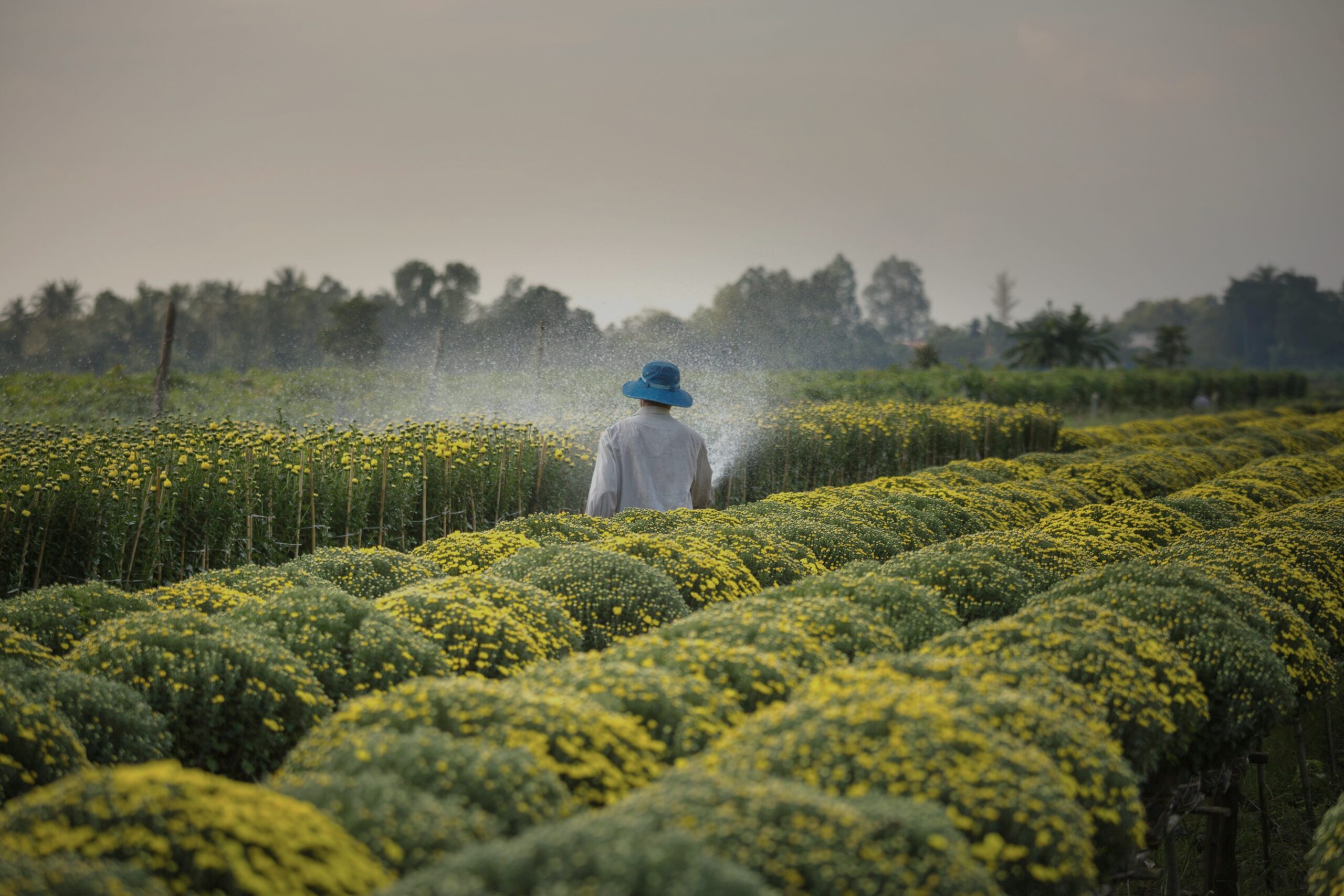
The future of agriculture will depend on protecting crops in smarter ways.
For decades, crop protection has relied heavily on conventional chemical solutions to help farmers maintain yields and secure food production.
But agriculture is entering a new era.
Climate change, evolving pest pressures, biodiversity concerns, and increasing regulatory demands are creating a need for new approaches that combine effectiveness with a more sustainable profile.
Biological solutions, including biopesticides, are emerging as an important part of this transition.
Unlike traditional approaches that often rely on broad-spectrum activity, next-generation biological solutions can be designed to target specific challenges while supporting more resilient agricultural systems.
The opportunity is significant: developing solutions that help farmers protect crops, maintain productivity, and reduce environmental impact.
However, bringing biological products from discovery to widespread adoption requires overcoming key challenges, including efficacy, consistency, scalability, and cost.
Advanced biotechnology is helping address these barriers. Technologies such as precision fermentation enable the production of complex biological molecules with greater control and scalability, opening new possibilities for agricultural innovation.
The future of crop protection will not be defined by one single solution.
It will require a broader toolbox, combining biology, technology, and agricultural expertise to build more resilient food systems.