

Europe is entering a decisive moment for industrial biotechnology – and last week, our co-founder Per Falholt joined policymakers in Brussels to help shape that future.
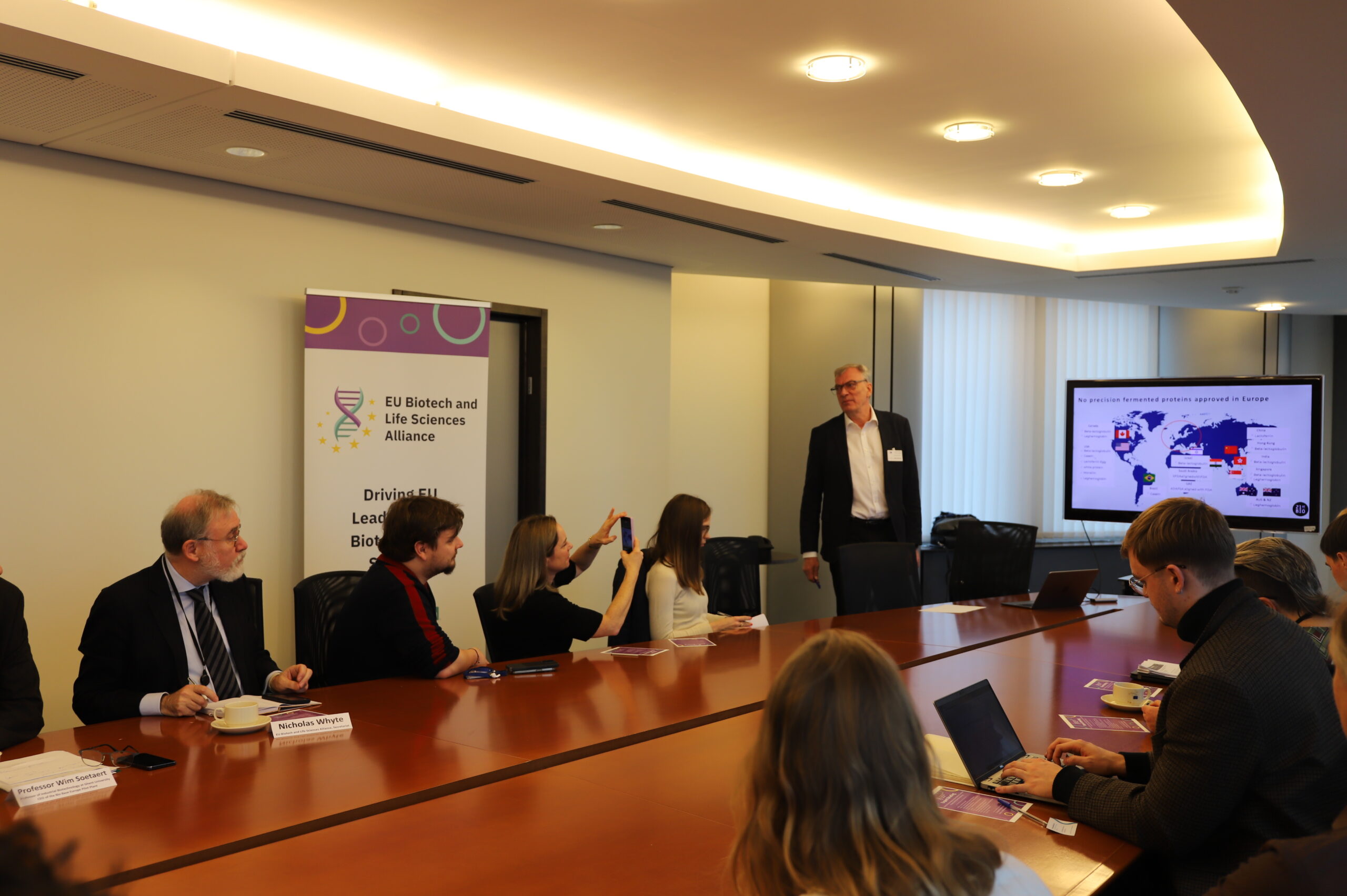
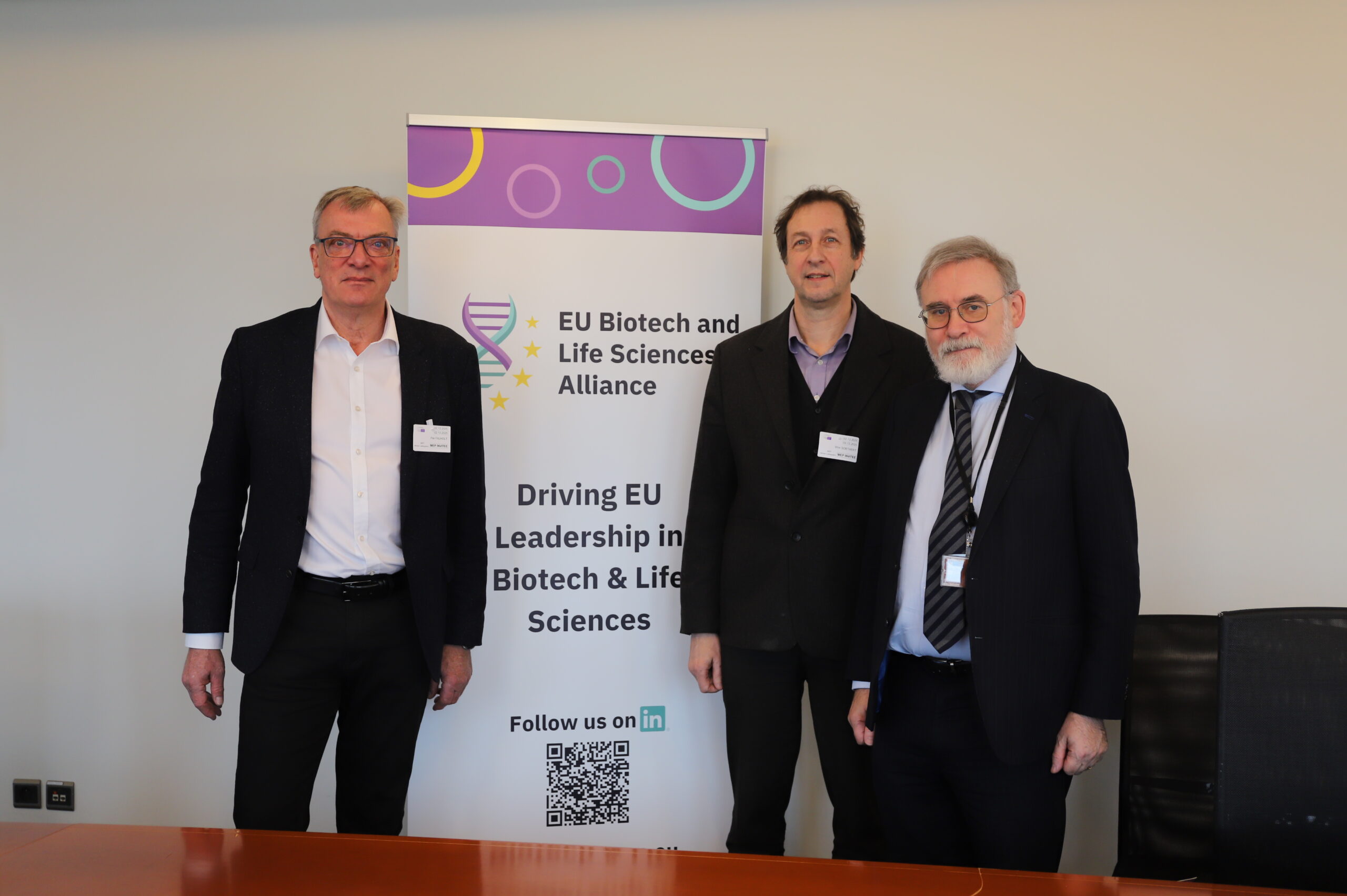
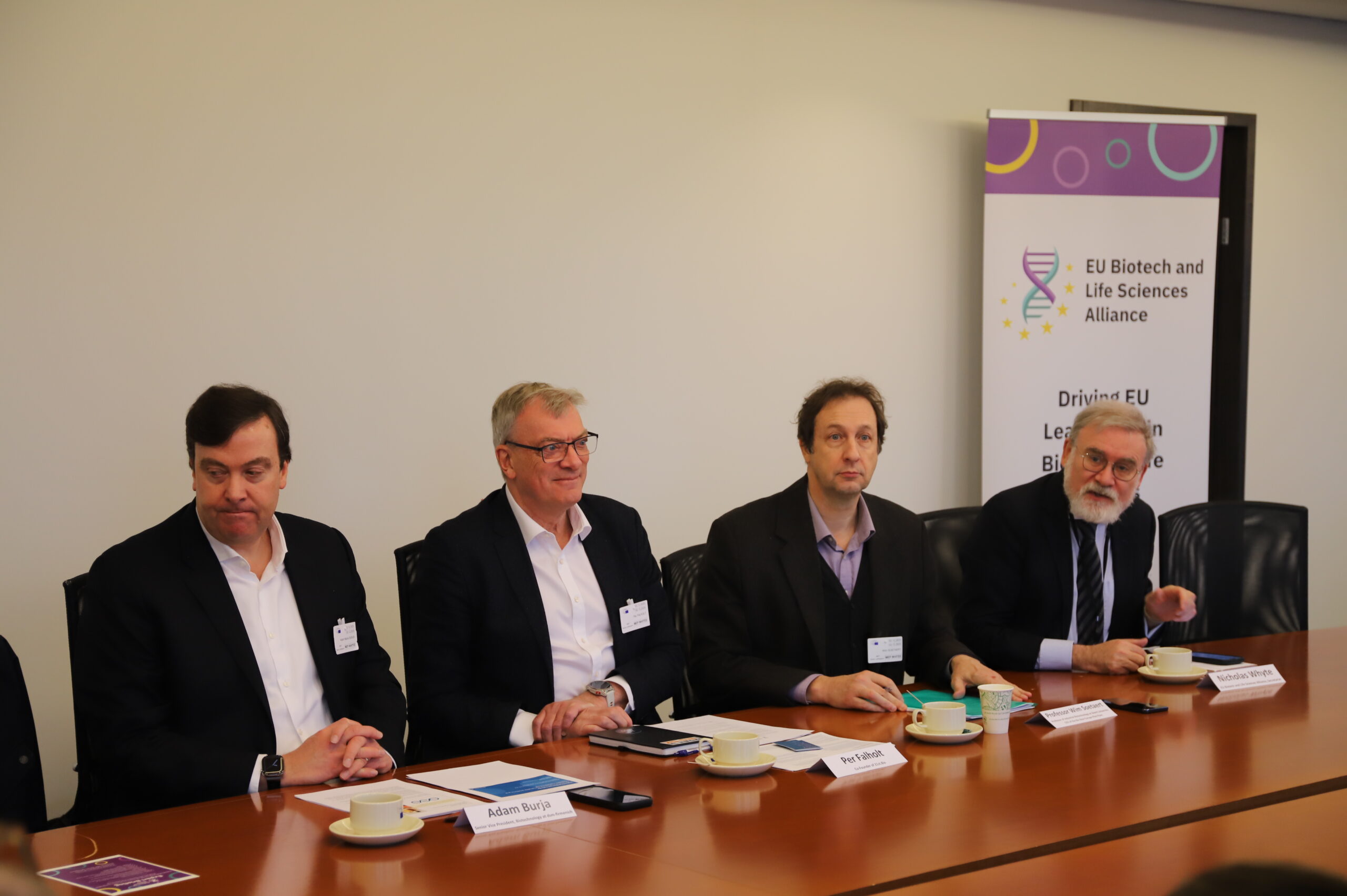
Per spoke at the very first ‘Biotech Expert Briefing’ in the European Parliament, hosted by MEP Morten Løkkegaard and organized by the EU Biotech and Life Sciences Alliance and EuropaBio (the European Association for Bioindustries), alongside Professor Wim Soetaert, CEO of BBEPP, and Adam Burja, Senior VP Biotechnology at dsm-firmenich.
This briefing comes at a pivotal time: the European Commission has just published the first ever EU Bioeconomy Strategy and is finalizing the first phase of the EU Biotech Act: a comprehensive omnibus law set to reshape the regulatory framework for biotechnology across health, food & feed, industrial biotech, and more.
Under this Strategy, the EU aims to accelerate deployment of biosolution products, streamline regulatory approvals, and unlock investment for industrial biomanufacturing.
In Brussels, Per used his decades of industry leadership to articulate key takeaways for the MEPs:
1️⃣ What a strong Biotech Act needs for the EU to stay competitive and unlock its scientific strengths.
2️⃣ How precision fermentation can secure supply of essential proteins, from nutrition to materials, supporting Europe’s resilience and reducing dependency on imports.
3️⃣ A concrete path forward: fast-track approval for known food proteins when both the protein and their production technology are already proven safe.
4️⃣ What’s at stake: access to better nutrition, resilient local supply chains, and new industrial growth built on European innovation.
This is a shared challenge for industry, policy, and science, but also a shared opportunity. If Europe wants to lead in bio-manufacturing and bio-based supply chains, we must move together, now.
Thank you to EuropaBio and the EU Biotech & Life Sciences Alliance for creating the space for these discussions.
We are proud to contribute to a future where Europe not only innovates, but produces proteins – strengthening food security, industrial leadership, infrastructure investments, and high-quality jobs.